| Equipment Model |
HSBT60-6-10-32 |
| Environmental Conditions | Operating Environment | -10~+50 ℃ |
| Storage Temperature | -40~+70 ℃ |
| Relative Humidity | ≤95%RH, no condensation |
| Cooling Method | Forced air cooling, intelligent speed regulation |
| Altitude | 2000m, derating use is required above 2000m |
| Atmospheric Pressure | 79kPa~106kPa |
| AC Side Parameters | Input System | Single-phase |
| Rated Voltage | 220Vac |
| Input Current | ≤16A |
| Voltage Range | 187Vac~253Vac(-15%~+15%) |
| Frequency Range | 47~63Hz(adaptive to 50/60Hz power grid) |
| Power Factor | ≥0.97 @20%~50% output power, nominal input voltage and frequency
≥0.99 @50%~100% output power, nominal input voltage and frequency |
| THDi | ≤3% full load
≤5% @50%~100% full load output power |
| Forward/Reverse Switching Time | ≤10ms, seamless switching |
| Maximum Static Voltage Withstood When Not Working | 300Vac |
| DC Side Parameters | Voltage Range | 1.5~6Vdc |
| Current Range | ±10A (positive and negative current limit points can be set separately) |
| Rated Value | LOAD:6Vdc/10A; POWER:6V/10A |
| Rated Power | LOAD:60W; POWER:60W |
| Voltage Accuracy | ±0.05% F.S |
| Current Accuracy | ±0.05% F.S |
| Ripple Coefficient | <1%Vo |
| Load Regulation Rate | ≤±0.5% |
| Power Grid Regulation Rate | ≤±0.1%, rectifier mode |
| Startup Overshoot | ≤1% |
| Operating Modes | Load mode: Constant Current, Constant Voltage, Constant Power, Constant Resistance
Source mode: Constant Voltage Bidirectional Current Source
Battery mode: Constant Current Charging, Constant Voltage Constant Current Charging, Constant Current Discharging |
| Charging/Discharging Current Rise Time | ≤20ms |
| Charging/Discharging Conversion Time | ≤20ms, seamless switching |
| Protection Functions | Inverter | AC over/undervoltage, DC bus over/undervoltage, over/underfrequency, AC overcurrent, overtemperature, fan fault, etc. |
| DC/DC | Over/undervoltage protection, overcurrent protection, overtemperature protection, short circuit protection, reverse polarity protection, etc. |
| Other Parameters | Noise | ≤65dB |
| Protection Grade | IP20 (single module) |
| Communication Function | Standard RS485 (external communication) |
| Startup Time | Time delay from AC power-on to module output ≤10s |
| Efficiency | Rectifier mode: ≥82%, @6V, 100% load current, rated voltage condition
Inverter mode: ≥85%, @60V, 100% load current, rated three-phase voltage condition |
| Standby Power Consumption | 8W (rated input voltage) |
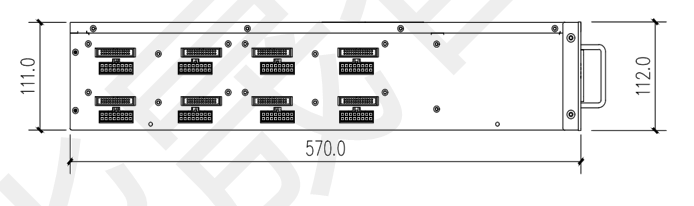
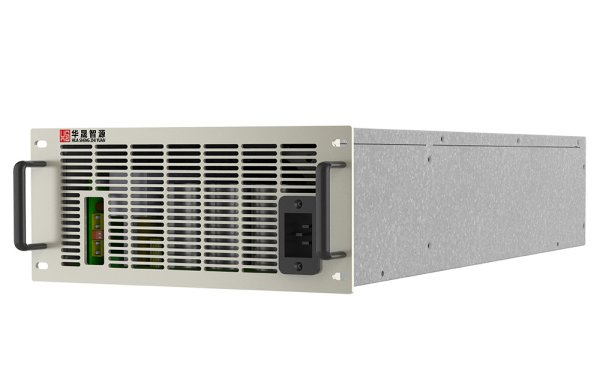
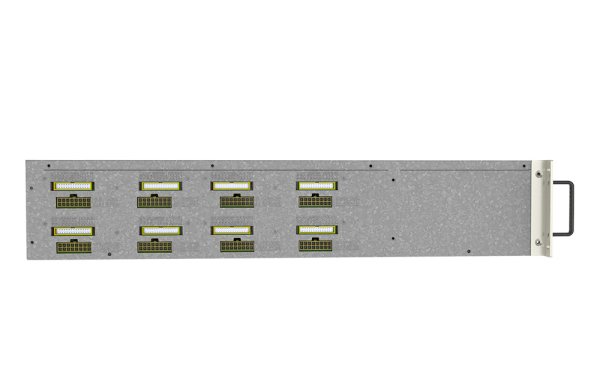
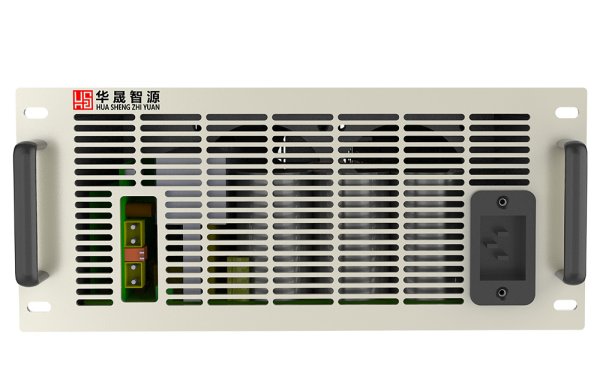
| Volume | 570*220*112mm |
| Weight | ≤8.5kg |




 Guangdong Public Security Network Record: 44030002013568
 Guangdong ICP Filing No.: 2026071944-1